How AI Decision-Making is Improving Enterprise Outcomes
Blog
Share 
Beinex Unveils Version 2 of the Cost Optimizer App on Snowflake
 12 March 2025
  Team Beinex
 What’s New in Version 2
Version 2 of the Cost Optimizer app brings a host of innovative features aimed at empowering organizations to better understand and manage their Snowflake-related costs. The highlight of this release is the introduction of Cortex Usage Insights, which provides unprecedented visibility into resource utilization and optimization opportunities.
Changelog:
• Cortex Usage Insights: This new analytics feature allows users to track and optimize Cortex resource utilization. By providing detailed insights into how Cortex services are being used, organizations can identify inefficiencies and make data-driven decisions to reduce costs without compromising performance. • Enhanced Cost Transparency: Version 2 also includes improved reporting capabilities for Cortex-related expenditures. Users can now access granular cost breakdowns, enabling them to understand exactly where their Snowflake budget is being allocated and how to optimize it further. These enhancements make the Cost Optimizer app an indispensable tool for organizations leveraging Snowflake’s advanced capabilities, particularly those utilizing Cortex services.
What is Cortex Services from Snowflake?
Snowflake Cortex is a powerful suite of services designed to simplify and accelerate AI and machine learning (ML) workflows directly within the Snowflake Data Cloud. Cortex enables organizations to harness the power of AI without the need for extensive coding or specialized expertise. Key features of Snowflake Cortex include: • AI and ML Integration: Cortex allows users to build, train, and deploy machine learning models using SQL, making AI accessible to a broader range of users. • No-Code Development: With Cortex, even non-technical users can leverage AI capabilities to derive insights and make data-driven decisions. • Advanced Analytics: Cortex provides pre-built models and functions for tasks like anomaly detection, forecasting, and sentiment analysis, enabling organizations to unlock the full potential of their data. • Cortex LLM: Snowflake Cortex LLM Functions offer businesses seamless access to industry-leading large language models (LLMs) with enhanced retrieval capabilities and improved AI safety. This update introduces support for new high-performing LLMs.
By integrating Cortex Usage Insights into the Cost Optimizer app, Beinex is helping organizations maximize the value of their Snowflake Cortex investments while keeping costs under control. The Cost Optimizer app is available on the Snowflake Marketplace, making it easy for organizations to access and deploy this powerful tool. Whether you’re looking to optimize costs, gain deeper insights into resource utilization, or enhance your Cortex-related analytics, the Cost Optimizer app is your go-to solution. Get the Cost Optimizer App on Snowflake Marketplace Version 2 of Beinex’s Cost Optimizer app represents a significant step forward in cost management and optimization for Snowflake users. With its new Cortex Usage Insights and enhanced cost transparency features, the app empowers organizations to make smarter, data-driven decisions while keeping costs in check. Explore the Cost Optimizer app on the Snowflake Marketplace today and take the first step toward unlocking the full potential of your Snowflake investment.
Revolutionizing Cost Management with Cortex Insights
Managing costs while maximizing the value of data platforms is a constant challenge for businesses today. Beinex has taken a significant leap forward with the release of Version 2 of its Cost Optimizer app on Snowflake. This latest version introduces advanced features designed to provide deeper visibility into resource consumption and cost optimization opportunities, particularly focusing on Snowflake Cortex. Let’s dive into what’s new and how it can benefit businesses.
Related Articles

Data Sharing Best Practices in Snowflake
Snowflake Data Sharing
Data sharing in Snowflake equips you to share specific objects with another Snowflake account or a designated reader account. The beauty of this process lies in the fact that the data isn't duplicated or moved between accounts.
Now, why is this a game-changer for organisations? When constructing data pipelines and developing data products, it's a common practice to shuttle data between databases and diverse systems to blend different datasets.
Consider this scenario: You have transactional data within your online transactional processing (OLTP) database, and you wish to integrate it with external data for a machine learning model. Traditionally, organizations would export data into a data lake, import external data, and then employ tools like Apache Spark for analysis.
But what if, instead, you could simply deposit your data into Snowflake, and the external data source could seamlessly share its data with your organisation, eliminating the need to load it separately? This eradicates the challenge of keeping data copies synchronised, resulting in savings on storage, computing costs, and maintenance efforts.
Imagine your company possesses valuable information that can guide other companies in making informed decisions. For instance, let's say your company can provide precise estimates for product delivery times based on proprietary data, and you want to offer this information for sale to your customers.
Enter Snowflake data sharing—it empowers you to precisely do that.
Case Studies: Snowflake Data Sharing
Citing two instances where leading organisations use Snowflake to improve actionable data sharing, collaboration and reporting capabilities.
1. A Pioneering Technology Leader
A well-known Swedish-Swiss multinational corporation successfully implemented a streamlined data strategy using the Snowflake Data Cloud, adopting an "extract once, use everywhere" approach that simplified data consolidation and enablement. By transitioning from nightly extracts, which caused significant system overhead, to a single, near real-time Change Data Capture (CDC) process, the company achieved efficient replication of information to Snowflake with minimal impact. The utilisation of Snowflake Secure Data Sharing facilitated secure and governed data collaboration across the four business areas.
2. A Leading fast-food Restaurant Chain
Snowflake's data-sharing capabilities have revolutionised decision-making for a fast-food restaurant chain. They can effortlessly share crucial sales, inventory, and operational data with external entities, expanding from three to over 30 parties.
With a high-performance database platform hosting over 2 million transaction records, the restaurant chain has established a robust data management and analysis infrastructure through Snowflake, empowering its operational and marketing endeavours.
Moreover, by consolidating all data onto Snowflake, the organisation has achieved a remarkable 70% reduction in operational IT costs, demonstrating the platform's efficiency and cost-effectiveness.
Centralising and sharing data with Snowflake significantly eased the development of data products for various purposes, including marketing campaign analytics, quotation success metrics, production line tools, and supply chain dashboards. These data products are utilised by thousands of users globally, including internal stakeholders and external vendors, enhancing collaboration and efficiency across the organisation.
What are the best practices for Snowflake data sharing?
Optimize your Snowflake data sharing experience with these essential practices. Ensure data security by utilizing secure views to filter and mask sensitive information. Enhance clarity and understanding by employing descriptive names and comments for your shares. Monitor and fine-tune your sharing activities using Snowflake Information Schema or Account Usage views. Foster communication and collaboration with your consumers to create a seamless workflow.
Take command of your data sharing environment by setting quotas and limits with the ALTER SHARE command. Keep your consumers informed about any changes or updates to your shares, and actively seek feedback to refine your data-sharing strategy. Explore additional data sources through Snowflake Data Exchange or Data Marketplace to enrich your analytics.
These best practices safeguard sensitive data, ensure compliance with data privacy regulations, clarify the purpose of each share, and provide insights into usage and performance, ultimately enhancing your data analysis capabilities. Below are some best practices for data sharing with Snowflake:
- Understand Snowflake Data Sharing Familiarize yourself with Snowflake's data sharing features, such as Secure Data Sharing (SDS) and Sharehouse, to leverage the platform effectively.
- Role-Based Access Control (RBAC) Implement strong RBAC policies to control who can share data and who can access shared data. Define roles and permissions to ensure data security and compliance.
- Secure Data Sharing Use Secure Data Sharing (SDS) to securely share data with external parties without copying or moving the data. Implement encryption and access controls to protect sensitive information.
- Sharehouse Best Practices If using Sharehouse, follow best practices for creating and managing share objects. This includes defining share schemas, tables, and using the appropriate share options for your use case.
- Data Masking and Redaction Apply data masking or redaction policies to shared data to protect sensitive information. Ensure that shared data complies with privacy regulations and internal data governance policies.
- Query Performance Optimization Optimize query performance for shared data by using clustering keys, partitioning, and indexing. This helps enhance the efficiency of queries on large datasets.
- Versioning and Change Tracking Implement versioning and change tracking mechanisms to keep track of updates and changes in shared data. This ensures data lineage and helps with auditing and troubleshooting.
- Documentation and Metadata Maintain comprehensive documentation and metadata for shared datasets. Include information about the source, purpose, and any transformations applied. This helps users understand the shared data context.
- Governance and Monitoring Establish governance practices for data sharing, including regular reviews of shared data objects and access logs. Monitor data-sharing activities to identify any anomalies or potential security issues.
- Educate Users Provide training and documentation for users involved in data-sharing activities. Ensure they understand the best practices, security protocols, and the impact of data sharing on performance.
- Regular Audits and Reviews Conduct regular audits and reviews of shared data objects, permissions, and access controls. This helps maintain data integrity, security, and compliance with organizational policies.
- Cost Monitoring
By adhering to these best practices, you can:
1. Shield Sensitive Data: Employ secure views to fortify sensitive information.
2. Navigate Data Privacy Regulations: Ensure compliance with data privacy regulations by controlling access and usage.
3. Illuminate the Purpose of Each Share: Maintain transparency regarding the intended purpose and content of each shared dataset.
4. Efficiently Monitor Usage and Performance: Keep a finger on the pulse of usage patterns and optimize performance for streamlined data sharing.
5. Elevate Your Data Analysis Journey: Enrich your analytics by exploring diverse data sources and unlocking fresh perspectives.
What’s Next
1. Enhanced Data Collaboration Tools:
Best Way to Share Data for Your Business
For secure collaboration, old ways of copying data are no longer the best. If you're working with trusted partners and it's privacy-compliant, Snowflake Secure Data Sharing is a quick and secure option. But, if you're dealing with sensitive or regulated data, especially when the risk is high, consider using a data clean room for an extra layer of security and compliance.
Beinex + Snowflake Offerings
Beinex’s partnership with Snowflake enables us to offer you advanced features like automated tuning and elastic compute, along with analytics modernisation services, to help your organisation realise exponential Return on Investment.

Stay Many Steps Ahead: Reap the Top Five Benefits of Competitive Intelligence
Understanding the initiatives of your competitors offers you the edge to keep advancing and differentiating your business. Your company can gather information and keep track of competitors with the help of competitive intelligence. This knowledge can be a helpful planning tool for making future company decisions on your own.
Competitive Intelligence (CI) is a vital component of every corporate strategy. It entails gathering and analysing data regarding a company's market, including that information's competitive environment, competitors' offerings, target markets, and business strategies.
Making sound decisions with the information you have acquired is the key to effective competitive Intelligence research; gathering the information is just one small aspect of the process.
A thorough examination of the competitive environment in your industry is the foundation of effective CI. You can acquire a comprehensive overview of competitor data by using your internal team of CI and industry experts or your sales team to assist you with conducting essential market research.
Who Uses Competitive Intelligence and in What Sectors?
Many industries use competitive intelligence to inform advancements in operations, technology, customer satisfaction scores, market entry or market defence strategies, and more. The following list of sectors contains six.
1.Technology
The technological sector appears to advance at megabit rates. Consumer expectations modifications frequently coincide with changes in broader technical access and affordances, and many companies are competing to offer the most cutting-edge consumer and business technology products. CI improves new or relaunched times-to-market, warranty and customer service operations, user experience (UX), employee recruitment and retention and sustainable organisational structures in the technology sector.
2.Medical care
Significant government rules are navigated by those working in the healthcare sector as the insurance market, market participants, and patients as consumers. Competitive intelligence can help the healthcare sector in pricing analysis, supply chain management and vendor or third-party administrator relations.
3.Biotechnology and prescription drugs
Pharmaceutical and biotechnology businesses operate in a high-cost, multifaceted market with a complex regulatory environment, like the healthcare sector. For individuals working in the life sciences, medical device, pharma, and medical specialisation industries, competitive monitoring and integrative analytics reduce operational risks by improving salesforce operations and structures, drug approvals and drug launch planning, market entry and gains strategies, consumer awareness campaigns surrounding treatments, therapies, and prescriptions
4.Industrial and Manufacturing Sectors
The 21st century has seen a significant revolution in commercial and industrial manufacturing. The manufacturing industry's environment has been permanently changed by scaled-up international rivalry, new automated technology, and evolving supply and demand patterns. Manufacturers regain control thanks to competitive intelligence, which enables them to maximise their advantages today while reducing market risks tomorrow. Competitive Intelligence assists in Supply chain management, Distribution strategies, Supplier and vendor relations, and go-to-market models
5.Consumer Goods
The consumer goods and retail sector include enterprises of every size and speciality, offering anything from domestic furnishings to personal hygiene items, online clothes stores to sparkling flavoured water. CI consulting explores prospects for retailers to improve brand reputation, consumer activity assessments and profiles, emerging and disruptive technology preparedness and local and global market entry.
6.Financial Services
Consumer opinions in the financial sector depend heavily on external factors like trust and openness. Internally, operations compromise the requirement for compliance and how disruptive technology alters traditional banking, lending, investing, and financial advice. Key capabilities enhanced by financial service CI include profitability and cost analysis, brand reputation, brand and service evolution, customer support channels, market risk modules and new entry market profiles.
Top Five Benefits of Competitive Intelligence
1. Recognise the next steps of the opposition
By participating in CI and performing competitive analysis, you may monitor potential future opportunities and threats for your industry. You will have an advantage if you can predict what your competitors will do next. This will allow you to adopt tactics before they do or turn things around to make yourself stand out from the crowd.
Perhaps the lack of data privacy in your industry is drawing criticism. Using CI, you can predict what your competitors would do in response and decide whether to join them or take a different stance to make a point.
2. Maintain a competitive edge
Researching competitive intelligence may take some time, but you'll gain by always being one step ahead of the competition. In an ever-evolving industry, you must appeal to customers and their desires if you want to flourish. Use CI to identify which rivals in your sector aren't taking needs or trends into account and take the initiative to do so in your own business.
3. Key to strategic judgement
Data is the foundation of a successful competitive intelligence strategy; thus, it makes sense that this would result in more strategic decision-making. You'll discover that to be successful in your CI journey; you must back up your decisions with data.
Competitive intelligence explains the value of objective data and will assist you in making better judgments grounded rather than mere speculation. It is your responsibility to fix any gaps in your market identified by the data you gathered during CI and to put new business practices into place.
4. Internal Information Gathering
While obtaining information on competitors emphasises competitive intelligence, the organisation may also collect your company's data. This internal evaluation gives you a sense of how your business is doing, where you are excelling, and where you need to put more effort into it. You can make decisions using the regular information a competitive intelligence organisation might supply about your business. This is especially helpful if the company is vast and has numerous departments that must be controlled. It helps your business boost products and service speed to market.
5. Boost Product and Service Speeds-to-Market
The term "speed-to-market" describes how quickly a good or service is developed and made available for purchase by the public.
Average speed-to-market timeframes will differ depending on the industry, as will the elements involved in developing, testing, and releasing a new commercial product. It is increasingly crucial for a company in that sector to increase its speed-to-market deliverables without compromising quality as the ecosystem for a product or service becomes more competitive. CI research with a market focus improves time-to-market, market-entry, and market defence skills.
The business world today is among the most competitive it has ever been. To survive in the information age, you need to have competitive intelligence. Although businesses have long informally gathered intelligence on their rivals to get an advantage, the combination of technology with the field of competitive intelligence has made it 10x more successful than ever.
Beinex
By providing insights gleaned from relevant web sources, AI-powered markets and competitive intelligence tools can give you a comprehensive view of your market and competitive landscape. The insights from each source provide a perspective you may use to gain a competitive advantage.
Role of Beinex
We are pioneers in providing 100% population-based strategic decision-making solutions with unique capabilities in extensive data harvesting. Beinex offers highly interactive competitive intelligence solutions for agile and data-driven enterprises of all sizes and categories. From Big data harvesting to enterprise reporting and mobile competitive intelligence solutions, we offer a suite of end-to-end big data CI solutions. These enable intelligent business moves and improved operational efficiency resulting in increased profit and happier customers.

Alation Data Catalog: The Key to Unlocking Effective Modern Data Governance
Challenges in Data Governance
Organizations often face challenges aligning with business goals to ensure data quality, security, and visibility. Alation's Data Catalog centralized data management and enhances accessibility, helping businesses address the data governance challenges by managing data in line with the policies and standards. Some of the challenges in data governance are as follows: • Issues in Data Quality: This happens due to incorrect or insufficient data in the system, which can result in expensive errors and affect decision-making. Enterprises must follow continuous monitoring to ensure high data quality and maintain trust in data assets. • Struggling with Data Silos: For effective data governance, organizations must break down data silos as the separate storing of data across departments could hinder data accessibility and sharing, resulting in inefficiencies. • Concerns about Compliance and Security: To avoid sensitive data breaches, organizations must comply with the regulations and standards and enforce strong security measures. Ignoring the compliance requirements can result in reputational damage, legal consequences, and hefty penalties.
More About Data Catalog
A Data Catalog is a warehouse of data assets that improves comprehension, governance, discovery, use, and management of data. It helps unify extensive and intricate data ecosystems into a single hub and breaks down silos, leveraging data the right way. The centralized view of enterprise data assets provided by the data catalog allows leaders to effectively drive cross-collaboration and scale data usage. Despite being a data repository, a modern data catalog assists in making business processes more data-driven. From enhancing operational efficiency to boosting customer experience to making strategic decisions, a data catalog is equipped to make the most of the data. A data catalog facilitates business decisions by letting people locate, understand, and trust the required data. Some of the fundamental functionalities and features of a data catalog are as follows: • Managing metadata: Brings together metadata from diverse sources into a centralized platform and offers a comprehensive picture of data across your enterprise. • Automating data discovery and search: Employs advanced search capabilities (search by tags, keywords domains, natural language, etc.), AI, and ML to locate and access relevant data assets. • Ensuring data quality: Allows data customers to understand data quality and build trust in the data through documentation of quality regulations, displaying data quality metrics, and quality profiling. • Tracking data lineage: Tracks the data flow from its source to destination, mapping the critical data aspects throughout the organization during the transformation. It also includes metadata about the transformation and data assets, enabling impact analysis. • Fortifying data governance: Enables data classification to assign suitable policies for ensuring compliance with regulations.
How Alation's Data Catalog Strengthens Modern Data Governance
Companies with data catalogs are more likely to acquire and retain customers and achieve profitability than those that do not have one. The following aspects elaborate on how Alation unlocks smarter data governance with its data catalog. • Breaking down data silos and centralizing data access: The Alation Data Catalog helps businesses struggling with data silos by centralizing data access and enabling easy data discovery and retrieval from a unified platform. Centralizing facilitates collaboration between departments by eliminating barriers between them. The enhanced collaboration enables effortless sharing of data assets and insights, fostering better decision-making and collaboration. • Managing metadata: Metadata management is paramount to data governance. With Alation Data Catalog, users can access powerful metadata management capabilities to handle data regulations, relationships, and definitions effectively. It allows users to understand and gain trust and confidence in their data assets. With features like end-to-end data lineage, automated metadata harvesting, and policy enforcement, Alation ensures data accuracy, accessibility, and compliance. • Enhancing data quality through Data Profiling and Cleansing: Data quality stays crucial for any organization to ensure trustworthy analytics and reporting. The Alation Data Catalog's data profiling and cleansing tools help detect inconsistencies and inaccuracies in data, helping enterprises maintain high data quality standards. • Guaranteeing compliance and security: With the Alation Data Catalog, compliance, and security can be ensured by implementing access controls and permissions. It entails protecting sensitive and confidential information by enabling the restriction of data access based on roles. • Fortifying data security: The comprehensive audit trails and monitoring offered by the Alation data catalog are important for data security as they facilitate tracking data usage and changes over time. It also helps identify possible breaches and unauthorized access, enhancing accountability and transparency across the enterprise. • Making progress through continuous monitoring: Conducting routine audits to evaluate compliance and data quality is vital for ensuring data governance remains effective and adaptive to the dynamic requirements. Alation Data Catalog's monitoring tools offer insights into the use of data and the likelihood of serious security breaches, enabling informed decisions about policy modifications. It is important for businesses to invest in training programs for data users as they help them understand the functions of data catalog and apply the best practices. With the Alation Data Catalog, businesses can promote collaboration and maintain data integrity and safety. Alation's holistic approach to data governance builds a trustworthy and accountable culture. The Alation Data Catalog functions as a powerful enabler, equipping enterprises to thrive in a data-driven world by streamlining complex governance tasks and promoting a culture of data literacy. In partnership with Alation, Beinex equips businesses with the support to fulfill data governance requirements while streamlining implementation and saving time. Connect with us for a demo: Beinex - Beinex: Your Trusted Alation Partner in Dubai, UAE, MEA, KSA & UK for Data Intelligence

The Modus Operandi of Dictionary Attacks: Combating AI-powered Threats
What is an AI-based Dictionary Attack
Cyberattacks , known as "dictionary attacks", attempt to crack passwords by using a list of terms from a dictionary. Every word in a dictionary is tested in a traditional dictionary attack until the correct password is discovered. However, using AI algorithms, attackers can now create custom dictionaries based on information about the victim, such as their name, birthdate, and social media activity. These algorithms can analyse large amounts of data and identify patterns to create more accurate and effective dictionaries. As a result, these attacks are becoming more sophisticated and challenging to defend against.
How Do AI-based Dictionary Attacks Operate
AI-based dictionary attacks are far more successful than conventional techniques because they use machine learning algorithms to recognise and forecast patterns in the data. These algorithms look for patterns and correlations in the data and build models that can predict passwords using methods like deep learning, neural networks, and natural language processing.
Attackers can compile customised dictionaries more likely to contain the victim's password by gathering information about their targets from social media platforms and other internet sources. They also have access to reinforcement learning algorithms, which allow them to learn from their errors and gradually increase their success rate. As a result, these attacks may be pretty successful and challenging to identify.
How to Defend Against AI-based Dictionary Attacks
Employ Secure Passwords: One of the most excellent strategies to fend off dictionary attacks is to use secure passwords that are difficult to guess. Long passwords with a mix of capital and lowercase letters, digits, and special characters are recommended. An example is cited below:
Regular Password: Akh!l@5991
Secure Password: VS654a!4@s6d546
Implement Multi-Factor Authentication (MFA): By demanding users to enter two or more forms of identity when logging in, MFA adds an extra layer of security. This might require a user's phone to receive a one-time passcode or a fingerprint scan.
Limit Login Attempts: Organisations can restrict how many times a user can try to log in before being locked out. This stops an attacker from trying numerous passwords and guessing the right one.
Monitor User Behaviour: By monitoring user behaviour, businesses can spot suspicious behaviour, such as recurrent login failures or odd login locations. Security personnel should be aware of a potential attack, enabling them to take precautions.
Implement AI-Based Security Measures: Businesses can also put their own AI-based security measures in place to fend off dictionary attacks. AI algorithms can spot and stop suspicious activities or look for trends in user behaviour to spot future attacks.
Summing Up
Dictionary attacks based on AI are growing more complex, making it harder to defend against them. Yet, organisations can significantly lower their chance of being a cyber-attack target by implementing the techniques mentioned above. To protect the security of the business, it is also crucial to keep aware and informed on the most recent cybersecurity trends and dangers.
Do you find it difficult to navigate this new realm? Do you find AI & Automation difficult to implement? How resilient is your AI & Automation power?
Beinex AI & Automation Services puts you at ease, literally. From NLP-NLG Chatbots to Syntax Migrators to Predictive Modelling to Web Scraping to Social Media Analytics, we offer a range of AI and Automation services that can streamline and automate many of your redundant workflows within a short turnaround time.
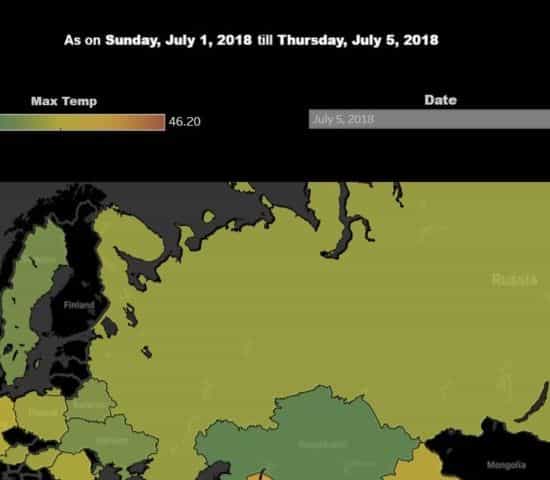
WEATHER FORECAST ANALYSIS
Will there a storm this week ? Is there a specific wind pattern ? Will you need your snow boots tomorrow? Should you bring an umbrella?
Use the Weather forecast analysis using a web data connector to plan and analyze day to day activities and help in making impact full business decisions.