How AI Decision-Making is Improving Enterprise Outcomes
Blog
Share 
Alteryx and Generative AI: The Alteryx Approach
 29 October 2024
  Sumi S
 1. Generative AI Features in Existing Products
Alteryx is proactively identifying areas where GenAI can improve the productivity and efficiency of its customers. These innovations are integrated into existing tools, such as Alteryx Designer, to streamline processes, automate routine tasks, and enhance the overall analytics experience. For example: OpenAI Connector: Users can now integrate GenAI directly into Alteryx Designer workflows to streamline communication and share data more effectively. AI-Generated Workflow Summaries: These summaries automate documentation processes, helping users enhance governance and auditability.
2. Enterprise-Ready Generative AI Platform
Alteryx’s GenAI platform enables businesses to create, train, and deploy custom AI models that operate securely within their organizational firewall. This approach ensures that data privacy and security are maintained while offering organizations the flexibility to tailor AI models to specific business needs. Alteryx also provides an environment for creating proprietary models that are customized to fit each organization’s workflows, making it easier to integrate AI-driven analytics into everyday operations.
3. New GenAI Applications and Interfaces
Data analytics is a collaborative process that involves various stakeholders, including analysts, data scientists, engineers, and knowledge workers. With Alteryx, these roles can now collaborate in real time through multi-modal analytics powered by GenAI. The flexibility to use different analytical tools—like SQL, Python, notebooks, or Alteryx workflows—opens doors for more seamless collaboration across different teams. GenAI applications like Magic Documents allow Alteryx users to automatically generate insight-rich reports in just a few clicks, drastically reducing time-to-insights and increasing productivity across business functions.
Introducing Alteryx AiDIN
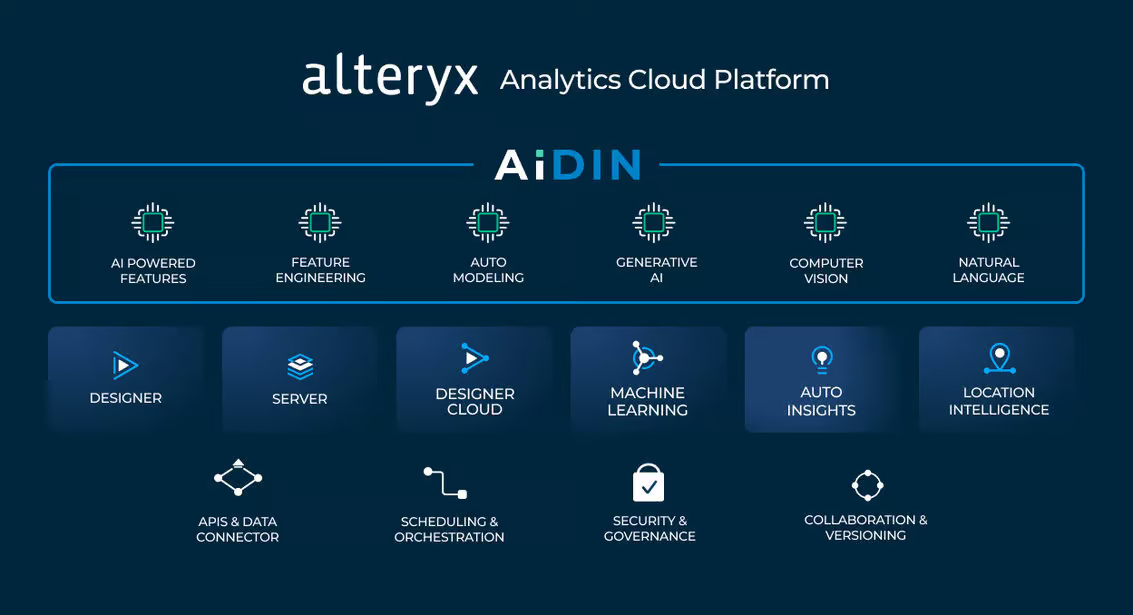
AiDIN is Alteryx's umbrella for all AI-related capabilities, combining existing AI features with cutting-edge GenAI innovations. Alteryx AiDIN enables users to leverage advanced AI models for analytics, whether it's extracting insights, automating tasks, or generating complex reports. Some of the key benefits include:
• Improved Time-to-Value: AiDIN accelerates the time it takes to derive insights from data, enabling quick decision-making for critical business tasks.
• Increased Operational Efficiency: By automating repetitive tasks, AiDIN frees up time for users to focus on higher-value activities.
• Enhanced Governance: Alteryx AiDIN ensures that AI capabilities meet stringent enterprise-grade governance and security standards.
 Source: https://www.alteryx.com/blog/alteryx-announces-generative-ai-capabilities
Data Security and Trust: The Alteryx AiDIN Commitment
A key concern in any AI-driven platform is data security and the integrity of AI-generated outputs. Alteryx AiDIN prioritizes these through: 1. Mitigating Hallucinations In generative AI, "hallucinations" refer to scenarios where AI models produce plausible but incorrect information. Alteryx has implemented stringent quality checks and continuous feedback mechanisms to minimize these errors. This ensures that businesses can rely on the outputs generated by AiDIN for decision-making. 2. Fact-Checking Mechanisms Alteryx AiDIN integrates fact-checking tools to verify AI-generated insights against actual source data. This added layer of validation helps organizations maintain the accuracy and reliability of their analyses. 3. Data Privacy and Security Alteryx ensures that data privacy is maintained at all stages of the AI process. AiDIN offers two key deployment options: Private Data Handling and SaaS. Both options provide robust encryption and ensure that sensitive data is securely managed within a customer’s ecosystem, giving businesses peace of mind as they adopt AI.
The Future of AI-Driven Analytics
The integration of GenAI into the Alteryx platform paves the way for smarter, more accessible analytics. With capabilities like OpenAI integration, Magic Documents, and enterprise-level model customization, Alteryx is enabling organizations to maximize the value of their data, improve efficiency, and foster a more collaborative analytics environment. By combining GenAI’s potential with trusted, secure analytics, Alteryx is redefining how enterprises interact with data—delivering faster insights and more impactful results across industries. Get in touch with us for a free demo: https://www.alteryx.com/designer-trial/free-30-days?
Generative AI (GenAI), the most groundbreaking technological advancement in recent years, offers transformative possibilities in data analytics. Alteryx, a leading player in analytics, is a forerunner in embracing GenAI to push the boundaries of enterprise analytics by incorporating these innovations into its platform. By doing so, Alteryx enhances the way organizations perform data analysis, ensuring customers experience seamless, AI-powered improvements.
At the heart of this transformation is Alteryx AiDIN, Alteryx's AI engine. AiDIN is a comprehensive set of AI and machine learning (ML) features that power Alteryx's analytics platform. The Alteryx approach to GenAI is guided by three strategic pillars, ensuring that generative AI capabilities are seamlessly embedded into their platform.
Related Articles
WHAT’S NEW IN TABLEAU?
Geo Spatial
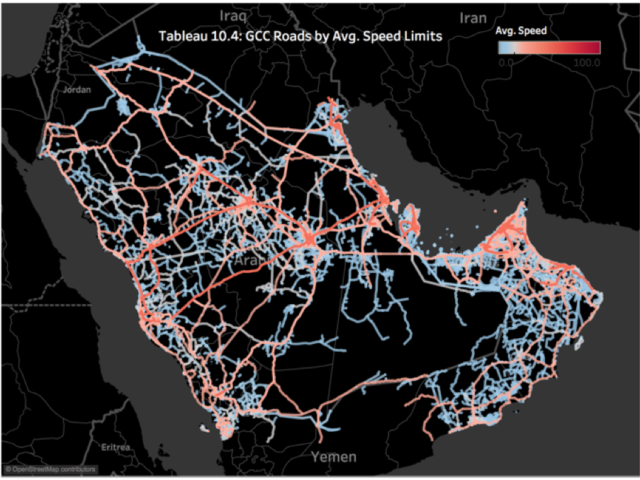
Tableau 10.4 brings to its user’s new geospatial capabilities with linear geometry shapefile support. You could also use Tableau’s Web Data Connector to import spatial data from the web by connecting directly to GeoJSON. For the Technical minds, Tableau has also deployed MATLAB models for predictive business insights.
Data Source Certification
Have you ever wondered about the authenticity of your data, its credibility for retrieving business insights? Tableau 10.4 allows the site administrators and project leaders to set the certification for the data source which meet the organization’s compliance and security standards. This appears as a unique badge, giving users the confidence over their data.
Discussions
With Tableau 10.4, you can now benefit from the collective knowledge of your team. The real time commenting capability allows data discoveries and analytics based on the discussion and viz snapshots. Administrators can also disable this feature if required.
Additionally, Tableau gives data source recommendations helps you to find the right data source for your analysis. It also gives an option of publishing to older versions of Tableau Server using the latest version of Tableau desktop using downgrade and publish option.

Protecting Data in AWS: Encryption and Key Management
Why Encryption is Important
Encryption is a security technique that converts data into a format that is unreadable by unauthorised individuals. It is particularly crucial when it comes to protecting sensitive information such as personal data, bank records, and trade secrets. By encrypting data, even if an attacker accesses it, they cannot read it without the correct decryption key.
AWS provides various encryption options to protect data:
- Server-side Encryption
- Client-side Encryption
- Key Management
1. Server-Side Encryption
Data at rest can be encrypted in AWS by using server-side encryption. Server-side encryption is available for AWS services, including Amazon S3, Amazon EBS, Amazon RDS, and Amazon Redshift.
When you utilise server-side encryption, AWS encrypts the data before putting it on a disc. The security of your information is guaranteed because AWS also manages the encryption keys required to encrypt and decrypt data.
2. Client-side Encryption
Data can be encrypted on the client side before being uploaded to AWS. Client-side encryption adds a layer of security by allowing you to manage the encryption keys used to encrypt and decrypt your data.
Client-side encryption is available for AWS services, including Amazon S3, Amazon EBS, and Amazon RDS. Client-side encryption requires additional administration and security measures because it forces users to control the encryption keys directly.
3. Key Management
Key management is the process of generating, storing, and controlling encryption keys. AWS provides critical management services, including AWS CloudHSM and Key Management Service (KMS).
You can easily create and manage the encryption keys to secure data using AWS Key Management Service (KMS), a managed service. Some AWS services, such as Amazon S3, Amazon EBS, and Amazon RDS, are compatible with AWS KMS.
A hardware security module (HSM) called AWS CloudHSM offers secure key management and storage. AWS services, including Amazon S3, Amazon EBS, and Amazon RDS, can be used with AWS CloudHSM.
Best Practices for Protecting Data in AWS
Use these best measures to protect your data in AWS: 1. Encrypt sensitive data: Use either server-side or client-side encryption to encrypt all sensitive data. Robust encryption methods like Advanced Encryption Standard (AES) should exist with 256-bit keys. The Amazon Web Services (AWS) KMS service can generate and manage encryption keys.
2. Utilise AWS CloudHSM: For other key management and security, use AWS CloudHSM.
3. Set up multi-factor authentication: Multi-factor authentication adds security to AWS accounts and services (MFA).
Conclusion
Amazon Web Services (AWS) is a comprehensive cloud computing platform that enables millions of customers worldwide to deploy and scale their services on the cloud while enjoying cost savings upfront. Data security is a critical concern for any organisation, and AWS provides several services to help address this issue. Encryption plays a vital role in data protection, and it is essential to follow best practices to safeguard the security and safety of data on AWS.
Beinex is an AWS consulting partner, and we empower customers to host their BI solutions and much more on the cloud. Our cloud migration experts bring in best-in-class stability and reliability by understanding your business strategy and working closely with you to deploy AWS infrastructure as a service.
TABLEAU 2020.2 – A NEW LOOK AT VISUAL ANALYTICS
Tableau has been one of the most popular data visualization and analytics tools among the business users in the last decade. With the new features it is even simpler to see and understand data. It is evident that Tableau is made with the intention of appealing to everyone, even those with very limited technical know-how.
As always, the new version of Tableau is also packed with a punch. There are over 25 new features over the Desktop, Online, Prep and Mobile versions of the tool. Here are a few of them, that would significantly change the way you use this incredible platform.
I have been using this tool since the release on 6th May 2020. After a week of using it, I am convinced that the changes are significant and extremely useful. This new version seems a lot smoother (yes, that is the feeling you get when you use it), even compared to 2020.1, which was released last quarter. I will be focussing on some of the changes in the first blog, that would give you an overview and help you get started with this.
1. Relationships
As a trainer on Data Analytics for the last three years, I have experienced one struggle. It is about explaining the concepts of ‘Joins’ to business users. They find it confusing to know when to use ‘left join’ and when to use ‘full join’. (IT users and students had very limited issues since they have learned these concepts). Challenges like duplicate / repeating records in one of the tables (one to many mapping) is definitely hard to tackle unless you master the concepts and other techniques. However, in Tableau 2020.2, it uses ‘Relationships’ which is a much simpler and easier concept to understand, and Tableau does the heavy lifting if you are unsure
In this version, you can create logical relationship with data, visually. Relationship creates aggregations when you build the visualizations, rather than joining them in the database. This means that you can forget worrying about having to keep the data in the same level of details and the complications that would arise if it is not. For those who are familiar with the tool, the visual difference itself is quite significant. As soon as you drag and drop the second and subsequent tables, a relationship line (‘Noodle’ is what Tableau named these lines) appears and makes it easy to define the connection.
Once you add the table, a pop-up box suggests the best connection, where you can define further details (Cardinality and Referential Integrity) if needed. You can also view each of the tables independently even after defining the relationship. All you need to do, is just click on the table. You can also use the existing concepts of Union and Joins as well. Below is a simple example using Sample Superstore data.
2. Metrics
Metrics is a concept that would appeal to the higher management and executives. This is an option where you can track all metrices of your interest in one place, despite of it being included in multiple Tableau workbooks. Instead of creating a ‘Master Workbook’ with all the metrics, which involved development and maintenance effort, we can now do it with a simple click. It will add the Metrics or KPIs to the main Project folder itself. In addition, you can also see the trend of that particular metric over the period when the data refreshes.
In the example below, I have one Project in Tableau Online, which has got multiple dashboards catering to different business areas. I am adding two metrics: the number of male employees in the organization, and the YTD Sales. Since the data is not refreshed, the timeline will be empty. Just check out how easy it is to add the Metrics to monitor it continuously and effectively.
3. Set Controls and Set Action Updates
While this might be described as a new feature, it, in fact, opens a whole new set of opportunities to interact with your visualizations. If I try to describe set Controls in Tableau 2020.2, it can be simplified as an option in which we can include or exclude elements in a set in a simple drop-down (similar to ‘Filters’). The addition or deletion or new values in a set can significantly change the way we see the data.
This means that the end user can perform a variety of analysis in the front end. Check out the video below.
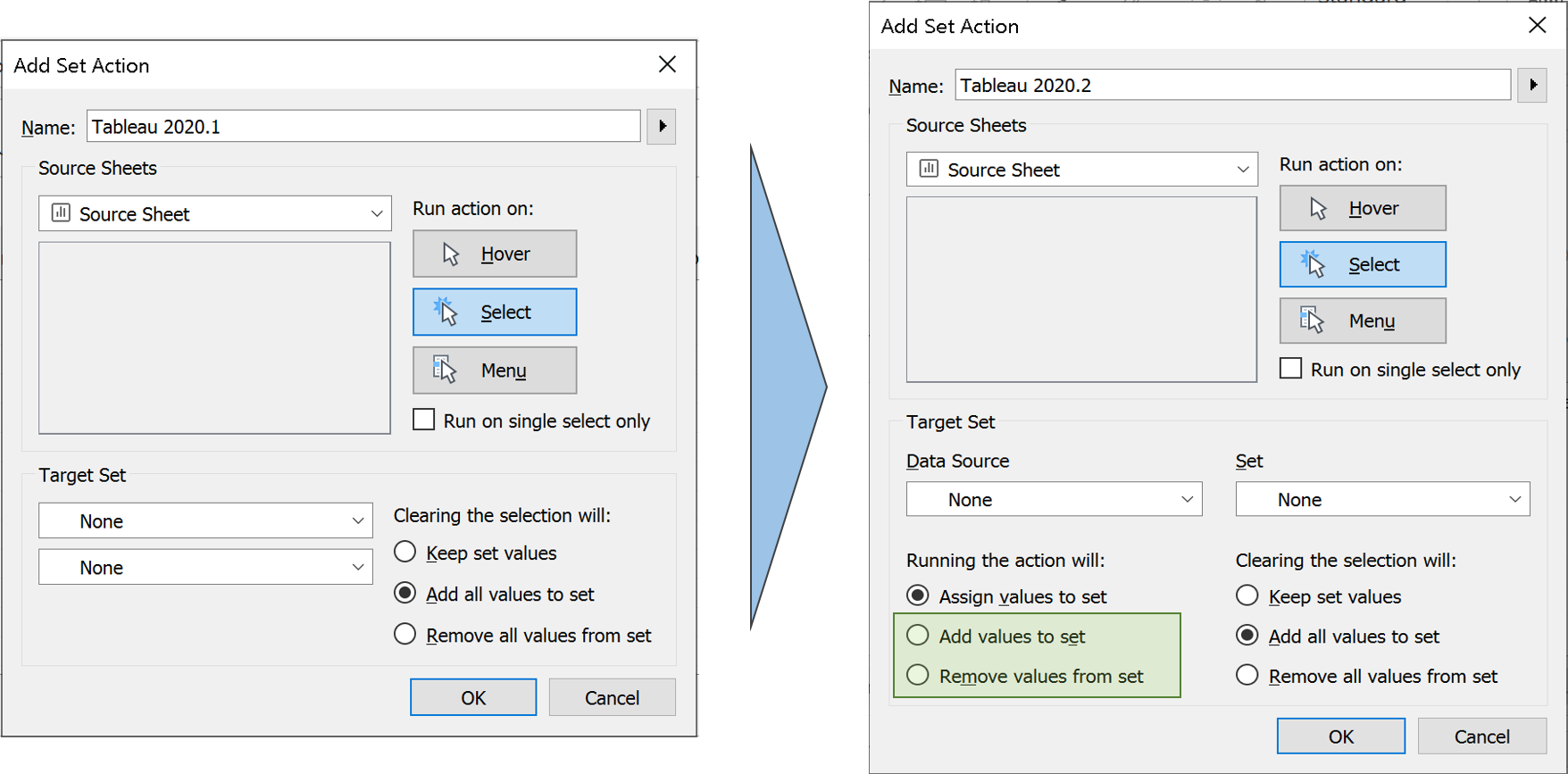
Set actions also has got two new selection modes as well in the new version. Tableau 2020.2. Instead of only assigning the set values, Set Action can now add or remove values incrementally, by interacting with the marks.
 Zen Masters ‘The Flerlage Twins’ have a blog that explains all the features in details about this new set action option. You can check it out.:
4. Other Changes
No Dimensions or Measures:
One of the noticeable differences compared to the previous version, is the absence of sections for Dimensions and Measures. While there is separation line, it is less distracting than the previous versions. It is not only the Dimensions and Measure that got combined, but also the section for Sets. In this version, when you add a Set it will be added as another field in the table, just like a calculated field. This also makes complete sense, since the Sets already have a separate icon to denote them, and it can be clearly understood before using it for any analysis. However, there is a separate section for Parameters.
Always on Search Bar:
Also, the Search bar is now always visible and cannot be hidden, unlike the previous version. I prefer this option since I almost always enable the search and never hides it afterwards. The Search bar sits comfortably in the space that is created when the titles for Dimensions and Measures are removed. In addition, when you type a field name after selecting any field, it automatically goes to that field despite of whether it is Measure or a Dimension. This is similar to us typing a folder or filename to find it in a Windows Folder Explorer.
No more ‘Number of Records’:
Another difference is the absence of ‘Number of Records’ field. This is now replaced with a non-editable and non-removable field: ‘Tablename (Count)’. Since the data is defined by relationship and not joined, there will be multiple such fields if you use multiple data sources. Similarly, when we choose ‘View Data’, there will be multiple tabs based on the number of data sources we use.
I have tried to show these in the image below.
Zen Masters ‘The Flerlage Twins’ have a blog that explains all the features in details about this new set action option. You can check it out.:
4. Other Changes
No Dimensions or Measures:
One of the noticeable differences compared to the previous version, is the absence of sections for Dimensions and Measures. While there is separation line, it is less distracting than the previous versions. It is not only the Dimensions and Measure that got combined, but also the section for Sets. In this version, when you add a Set it will be added as another field in the table, just like a calculated field. This also makes complete sense, since the Sets already have a separate icon to denote them, and it can be clearly understood before using it for any analysis. However, there is a separate section for Parameters.
Always on Search Bar:
Also, the Search bar is now always visible and cannot be hidden, unlike the previous version. I prefer this option since I almost always enable the search and never hides it afterwards. The Search bar sits comfortably in the space that is created when the titles for Dimensions and Measures are removed. In addition, when you type a field name after selecting any field, it automatically goes to that field despite of whether it is Measure or a Dimension. This is similar to us typing a folder or filename to find it in a Windows Folder Explorer.
No more ‘Number of Records’:
Another difference is the absence of ‘Number of Records’ field. This is now replaced with a non-editable and non-removable field: ‘Tablename (Count)’. Since the data is defined by relationship and not joined, there will be multiple such fields if you use multiple data sources. Similarly, when we choose ‘View Data’, there will be multiple tabs based on the number of data sources we use.
I have tried to show these in the image below.
 5. Explain Data and Ask Data Improvements
There are significant improvements in these features in every version and this time is no different. Even with all the AI capabilities, there would be times when we want to take control. Explain Data in the new version gives you that extra control that was missing in the earlier version. Authors can now choose which fields to be included in modelling Explain data, giving you the option to input your business logic to it. Explain data also allows you analyse more than just one outlier in the latest version. However, this option seems to be missing for relational databases.
5. Explain Data and Ask Data Improvements
There are significant improvements in these features in every version and this time is no different. Even with all the AI capabilities, there would be times when we want to take control. Explain Data in the new version gives you that extra control that was missing in the earlier version. Authors can now choose which fields to be included in modelling Explain data, giving you the option to input your business logic to it. Explain data also allows you analyse more than just one outlier in the latest version. However, this option seems to be missing for relational databases.
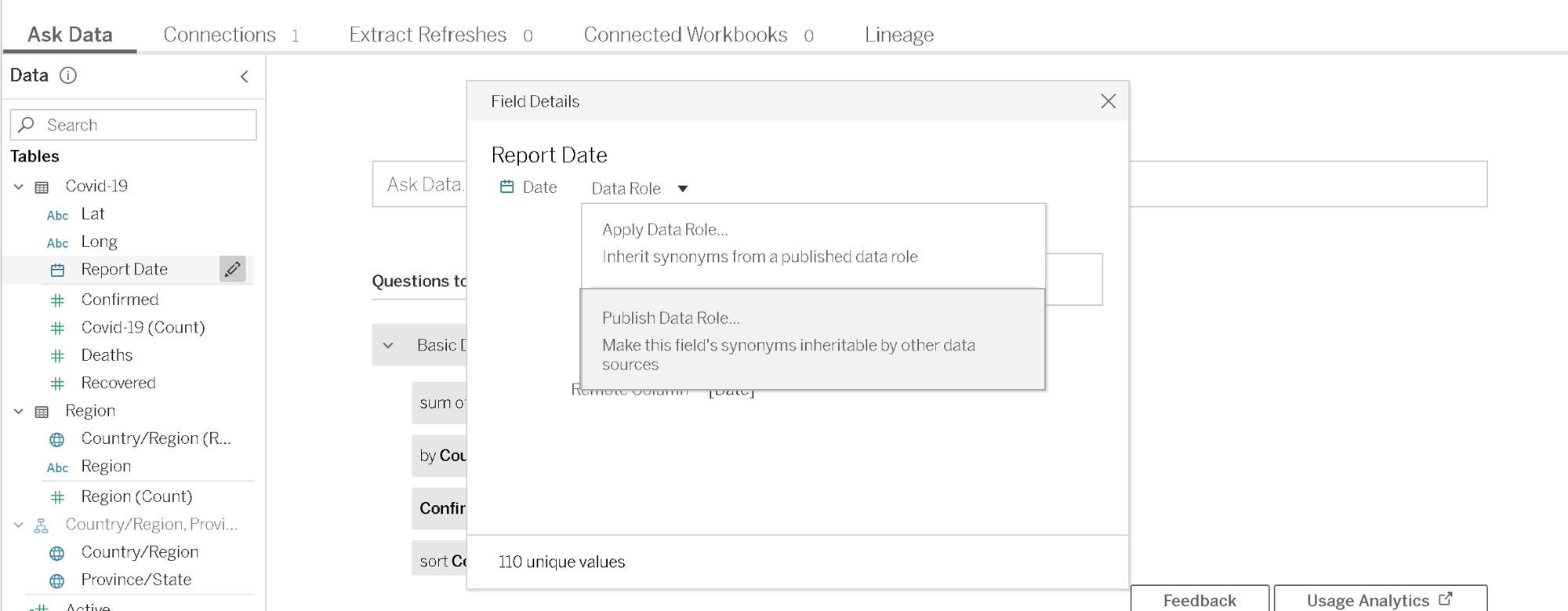
 When it comes to Ask Data, you can now provide custom suggestions based on data roles. In addition, the synonyms applied for one field can be published to use across data sources. It also supports scripted data sources in the new version and has some improvements on enterprise controls.
As mentioned at the beginning, there are several other features in Tableau 2020.2. It would be extremely difficult to include all those in just one post. There are other changes like Recommendations on Mobile, Manual sorting of Favourites, publishing directly from the browser without having to open the dashboard on Tableau Desktop etc. and so on.
I hope you got an overview to some of the new features and want to explore more. Let us know your thoughts and how these features were beneficial to you.
When it comes to Ask Data, you can now provide custom suggestions based on data roles. In addition, the synonyms applied for one field can be published to use across data sources. It also supports scripted data sources in the new version and has some improvements on enterprise controls.
As mentioned at the beginning, there are several other features in Tableau 2020.2. It would be extremely difficult to include all those in just one post. There are other changes like Recommendations on Mobile, Manual sorting of Favourites, publishing directly from the browser without having to open the dashboard on Tableau Desktop etc. and so on.
I hope you got an overview to some of the new features and want to explore more. Let us know your thoughts and how these features were beneficial to you.
 As mentioned at the beginning, there are several other features in Tableau 2020.2. It would be extremely difficult to include all those in just one post. There are other changes like Recommendations on Mobile, Manual sorting of Favourites, publishing directly from the browser without having to open the dashboard on Tableau Desktop etc. and so on.
I hope you got an overview to some of the new features and want to explore more. Let us know your thoughts and how these features were beneficial to you.
As mentioned at the beginning, there are several other features in Tableau 2020.2. It would be extremely difficult to include all those in just one post. There are other changes like Recommendations on Mobile, Manual sorting of Favourites, publishing directly from the browser without having to open the dashboard on Tableau Desktop etc. and so on.
I hope you got an overview to some of the new features and want to explore more. Let us know your thoughts and how these features were beneficial to you.
Zen Masters ‘The Flerlage Twins’ have a blog that explains all the features in details about this new set action option. You can check it out.:
4. Other Changes
No Dimensions or Measures:
One of the noticeable differences compared to the previous version, is the absence of sections for Dimensions and Measures. While there is separation line, it is less distracting than the previous versions. It is not only the Dimensions and Measure that got combined, but also the section for Sets. In this version, when you add a Set it will be added as another field in the table, just like a calculated field. This also makes complete sense, since the Sets already have a separate icon to denote them, and it can be clearly understood before using it for any analysis. However, there is a separate section for Parameters.
Always on Search Bar:
Also, the Search bar is now always visible and cannot be hidden, unlike the previous version. I prefer this option since I almost always enable the search and never hides it afterwards. The Search bar sits comfortably in the space that is created when the titles for Dimensions and Measures are removed. In addition, when you type a field name after selecting any field, it automatically goes to that field despite of whether it is Measure or a Dimension. This is similar to us typing a folder or filename to find it in a Windows Folder Explorer.
No more ‘Number of Records’:
Another difference is the absence of ‘Number of Records’ field. This is now replaced with a non-editable and non-removable field: ‘Tablename (Count)’. Since the data is defined by relationship and not joined, there will be multiple such fields if you use multiple data sources. Similarly, when we choose ‘View Data’, there will be multiple tabs based on the number of data sources we use.
I have tried to show these in the image below.
5. Explain Data and Ask Data Improvements
There are significant improvements in these features in every version and this time is no different. Even with all the AI capabilities, there would be times when we want to take control. Explain Data in the new version gives you that extra control that was missing in the earlier version. Authors can now choose which fields to be included in modelling Explain data, giving you the option to input your business logic to it. Explain data also allows you analyse more than just one outlier in the latest version. However, this option seems to be missing for relational databases.
When it comes to Ask Data, you can now provide custom suggestions based on data roles. In addition, the synonyms applied for one field can be published to use across data sources. It also supports scripted data sources in the new version and has some improvements on enterprise controls.
As mentioned at the beginning, there are several other features in Tableau 2020.2. It would be extremely difficult to include all those in just one post. There are other changes like Recommendations on Mobile, Manual sorting of Favourites, publishing directly from the browser without having to open the dashboard on Tableau Desktop etc. and so on.
I hope you got an overview to some of the new features and want to explore more. Let us know your thoughts and how these features were beneficial to you.
As mentioned at the beginning, there are several other features in Tableau 2020.2. It would be extremely difficult to include all those in just one post. There are other changes like Recommendations on Mobile, Manual sorting of Favourites, publishing directly from the browser without having to open the dashboard on Tableau Desktop etc. and so on.
I hope you got an overview to some of the new features and want to explore more. Let us know your thoughts and how these features were beneficial to you.
Tableau Server Health Check: Ensure Peak Performance for Your Tableau Environment
What is Tableau Server Health Check?
Tableau Server Health Check comprehensively evaluates the server's performance, configuration, and overall health. It aims to ensure that the server operates optimally, providing a seamless and efficient user experience. Regular health checks can prevent performance degradation, identify potential issues before they become critical, and ensure that the server environment is configured according to best practices.Critical Components of a Tableau Server Health Check • Server Performance • Server Configuration • Resource Utilization • Content and Workbook
When Should You Perform a Tableau Server Health Check?
- Regular Maintenance • Quarterly or Bi-Annually: Conducting a health check every three to six months helps identify potential issues early and maintain optimal performance over time.
- Performance Issues • Slow Load Times: If users experience slow load times for dashboards and reports, it clearly indicates that a health check is needed to diagnose and resolve performance bottlenecks. • Frequent Server Crashes: Regular crashes or downtime are signs of underlying issues that need immediate attention.
- Major Updates or Upgrades • Before and After Upgrades: Perform a health check before upgrading to a new version of Tableau Server to ensure the current environment is stable. Conduct another check after the upgrade to verify everything is working correctly and optimize new features.
- Changes in Usage Patterns • Increase in User Base: A health check ensures the server can handle the new load effectively if the number of users or the volume of data being processed significantly increases significantly.
- User Feedback • Negative User Feedback: If users report consistent issues with dashboard performance, accessibility, or other aspects of Tableau Server, it’s crucial to perform a health check to address these concerns.
- System Configuration Changes • Infrastructure Changes: Changes to the underlying infrastructure, such as hardware upgrades or network configuration changes, should be followed by a health check to ensure everything is configured optimally.
What are the Benefits of Tableau Server Health?
• Improved Performance • Better User Experience • Improving allocation of server resources and license management. • Increasing server stability, reliability, and uptime. • Scalability and Future Planning
How Does Beinex Conduct Tableau Health Check?
Our certified Tableau experts will evaluate your server environment and deliver a comprehensive report to help you identify and mitigate risks. Our process is structured into three main phases: Evaluation, Diagnosis, and Recommendation. Each phase focuses on different aspects of the server's operation to ensure that it meets your organization's needs and performs optimally. • Evaluation - We assess the size and configuration of your server, the performance of all data extracts and dashboards, server security, and more • Diagnose - We parse through server logs and review usage metrics to diagnose the root cause of any issues • Recommend - We present findings, best practices, and recommendations that you can act on immediately
Why Choose Beinex?
• Certified Team of Server Experts At Beinex, we pride ourselves on having a team of certified Tableau experts who bring extensive knowledge and experience to every project. Our specialists have the latest certifications and are continually updated with the newest Tableau features and best practices. • 300+ Tableau Deployments & Upgrades With over 300 successful Tableau deployments and upgrades under our belt, Beinex has a proven track record of delivering exceptional results. Our extensive experience spans various industries and business sizes, allowing us to understand and address the unique challenges different organizations face. • Tableau Premier Partner As a Tableau Premier Partner, Beinex stands among a select group of top-tier Tableau partners worldwide. This prestigious partnership recognizes our commitment to excellence and ability to deliver high-quality Tableau solutions.
How Beinex Can Assist You
Beinex, a premier Tableau partner, provides sustainable analytics solutions to organizations and helps to build superior data visual analytics capabilities internally through our bespoke training programs. Our team of Tableau-certified consultants are real-life Tableau business users passionate about Tableau and delivering a world-class experience. Connect with us: https://www.beinex.com/tableau-beinex/

Budgeting Made Easy: Beinex Budget Allocation Accelerator (Infographic)
